
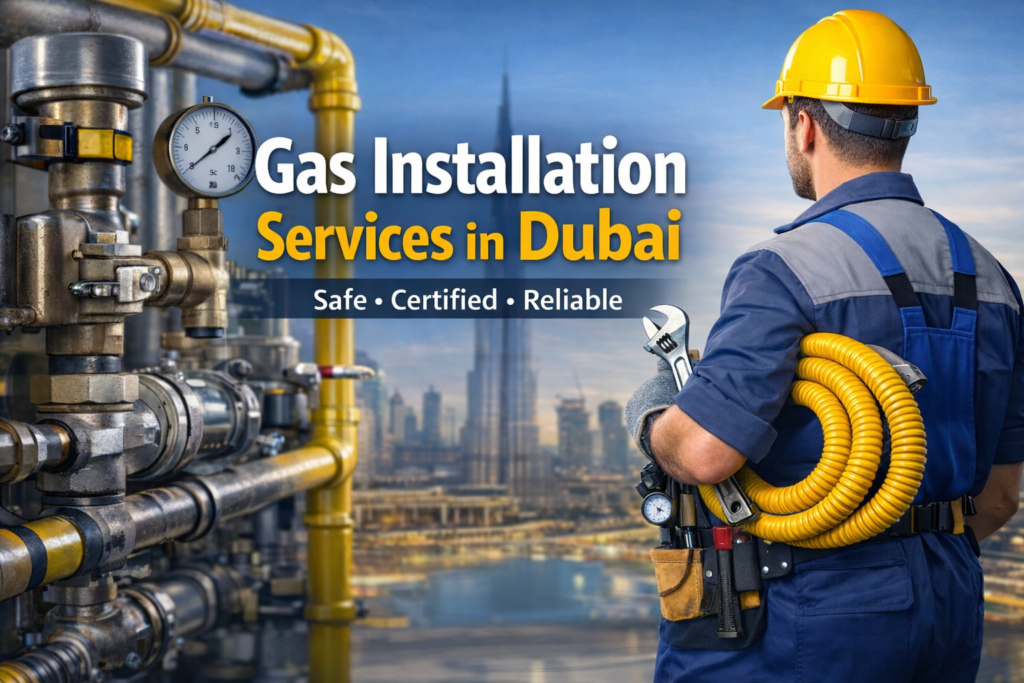
As buildings become larger and commercial operations become more demanding, a reliable gas distribution system is essential for safe and uninterrupted LPG supply. Instead of managing multiple individual cylinders, many residential, commercial, hospitality, and industrial properties can benefit from a professionally designed central gas system.
A central LPG system brings gas from a designated storage area through a controlled pipeline network to multiple appliances or consumption points. When properly designed and installed, it can improve gas distribution, simplify maintenance, and provide a more organized approach to LPG management.
For property owners, developers, facility managers, restaurants, hotels, and industrial businesses, choosing the right contractor is an important part of the project.
This guide explains the key considerations involved in Central Gas System Installation UAE.
What Is a Central Gas System?
A central gas system is an LPG distribution network designed to supply multiple gas-consuming appliances from a centralized storage and control arrangement.
Instead of keeping individual LPG cylinders at different consumption points, the system generally uses a designated LPG storage area connected to a network of gas pipelines.
Depending on the property and its requirements, a central system may include:
- LPG storage tanks or cylinders
- Gas pressure regulators
- Gas pipelines
- Isolation valves
- Emergency shut-off systems
- Gas leak detection equipment
- Pressure monitoring devices
- Gas meters
- Safety and control equipment
- Appliance connections
The complete system should be designed according to the building’s gas demand, layout, applicable technical requirements, and safety considerations.
Why Central LPG Systems Are Becoming Important in the UAE
Centralized LPG systems can provide practical advantages for buildings that have multiple gas-consuming areas.
A professionally designed system can help reduce the need to manage numerous individual cylinders inside or around occupied areas. UAE gas safety guidance also addresses the use of central gas systems and LPG infrastructure in buildings.
For larger properties, centralization can make gas distribution more structured and easier to monitor.
It can be particularly useful for:
- Apartment and residential buildings
- Villas and residential communities
- Hotels and resorts
- Restaurants
- Commercial kitchens
- Cafeterias
- Hospitals and healthcare facilities
- Industrial facilities
- Food production facilities
- Large commercial buildings
How Does a Central Gas System Work?
The basic operation is straightforward.
LPG is stored in a designated location and supplied to the building’s gas network. The gas passes through pressure-control equipment before entering the distribution pipeline.
The pipeline then carries LPG to individual appliances or designated consumption points.
A typical system can be understood through five main stages:
LPG Storage → Pressure Regulation → Distribution Pipeline → Safety Controls → Appliances
Each stage has an important role in maintaining safe and reliable gas delivery.
1. LPG Storage and Supply Design
The first stage is determining how LPG will be stored and supplied.
Storage capacity depends on factors such as:
- Building size
- Number of appliances
- Gas consumption
- Operating hours
- Peak demand
- Available space
- Future expansion requirements
The storage arrangement should be planned as part of the overall gas system design rather than treated as a separate component.
2. Gas Pressure Regulation
LPG must reach appliances at the appropriate operating pressure.
Pressure regulators control the gas pressure as LPG moves through different stages of the system.
Correct pressure regulation is important for appliance performance and overall system stability.
A professionally designed installation should therefore consider pressure requirements throughout the complete pipeline network.
3. Central Gas Pipeline Installation
The pipeline network connects the LPG source to the different consumption points throughout the property.
Pipe sizing, routing, connections, valves, supports, and pressure requirements all need to be considered during design and installation.
Gas pipelines should not simply be installed based on the shortest route. The installation must take account of the building layout, safety requirements, accessibility, and applicable regulations.
4. Gas Safety Equipment
Safety equipment is an important part of any central LPG installation.
Depending on the project, the system may include gas detectors, emergency shut-off valves, pressure-control devices, alarms, isolation valves, and other protective equipment.
These components help detect abnormal conditions and allow the gas supply to be controlled when required.
UAE technical guidance includes specific requirements concerning LPG piping, installation locations, safety equipment, and related infrastructure.
5. Appliance Connections
The final stage connects the central pipeline network to the gas-consuming appliances.
These may include commercial cooking equipment, water heaters, boilers, industrial equipment, or other approved LPG appliances.
Each connection should be properly installed and tested before the system is placed into operation.
The Importance of Professional Gas System Design
Installation should begin with proper engineering and design rather than immediately starting pipeline work.
A professional design considers:
- LPG demand
- Pipe sizing
- Pressure requirements
- Storage capacity
- Pipeline routing
- Appliance locations
- Safety equipment
- Ventilation
- Emergency isolation
- Inspection access
- Future requirements
In Abu Dhabi, the Department of Energy provides formal processes for gas system design approvals, certificates of completion, NOCs, material and equipment approvals, and contractor pre-qualification.
This demonstrates why gas system projects require qualified professionals rather than general installation contractors.
Central Gas System Installation and Regulatory Compliance
Gas installation requirements can vary between emirates and project types. Developers and property owners should therefore ensure that their project follows the requirements of the relevant local authorities.
For example, Abu Dhabi’s 2025 regulation on gas works establishes mandatory requirements and controls for gas operations in residential and commercial buildings. It also places emphasis on inspection, conformity, and qualified oversight.
A compliant project may involve stages such as:
- Site assessment
- Gas system design
- Authority submission and approval
- Material and equipment selection
- Professional installation
- Pressure and leakage testing
- Inspection
- Certification or completion procedures
- System commissioning
- Ongoing maintenance
The exact process depends on the emirate, property type, project scope, and applicable authority requirements.
Benefits of a Central LPG Gas System
Better Gas Distribution
A centralized network can supply multiple appliances from one organized gas infrastructure.
Improved Cylinder Management
For suitable properties, centralization can reduce the need to handle multiple individual cylinders at different points within a building.
Easier Maintenance
A structured gas network makes it easier for qualified technicians to inspect and maintain key components.
Better Control
Centralized isolation valves, pressure regulation, and monitoring equipment can provide greater control over the gas system.
Suitable for Large Properties
Hotels, restaurants, residential buildings, and industrial facilities can benefit from a system designed around their specific LPG demand.
Central Gas Systems for Restaurants and Commercial Kitchens
Commercial kitchens often have multiple LPG appliances operating simultaneously.
A centralized LPG system can provide an organized gas supply to cooking ranges, ovens, burners, boilers, and other approved equipment.
For restaurants and hotels, the system should be designed around actual and anticipated consumption rather than simply installing a standard pipeline arrangement.
Proper gas distribution can also help support uninterrupted kitchen operations while making maintenance and isolation more manageable.
Central Gas Systems for Residential Buildings
Multi-unit residential buildings can have complex gas requirements.
A central LPG network can distribute gas to multiple apartments or designated consumption points through an organized pipeline system.
However, residential installations require careful planning because the system may serve many occupants and appliances. Proper safety controls, isolation arrangements, ventilation, inspection, and maintenance are therefore essential.
Why Regular Maintenance Is Essential
Installing a central gas system is only the beginning.
Gas pipelines, regulators, valves, detectors, connections, and other components require periodic inspection and maintenance.
Regular maintenance can help identify:
- Gas leaks
- Damaged components
- Corrosion
- Pressure problems
- Faulty valves
- Detector issues
- Loose connections
- Aging equipment
The UAE Department of Energy also provides a framework for Annual Maintenance Contract approvals for gas systems, highlighting the importance of maintaining gas installations after commissioning.
How to Choose a Central Gas System Installation Company in the UAE
Before selecting a contractor, property owners and developers should consider more than price.
Look for a company that can demonstrate:
- Relevant gas system experience
- Qualified technical personnel
- Knowledge of local authority requirements
- Professional system design
- Suitable materials and equipment
- Proper testing procedures
- Safety-focused installation practices
- Inspection and commissioning support
- Ongoing maintenance services
The Department of Energy states that gas contractors undergo pre-qualification to verify safety, technical, and regulatory requirements before undertaking gas system installation and maintenance work.
Choosing an appropriately qualified contractor can therefore help reduce project risks and support compliance.
Central Gas System Installation UAE for New and Existing Properties
Central LPG systems can be considered for new developments as well as suitable existing properties.
For new buildings, the gas network can be incorporated into the project during the design and construction stage.
For existing properties, a professional assessment is required to determine whether the current structure, space, pipeline routes, appliances, and authority requirements can support a centralized system.
A site survey is therefore an important first step before deciding on the installation approach.
Build a Safer and More Reliable LPG Infrastructure
A central gas system is not simply a network of pipes. It is an engineered LPG infrastructure that combines storage, pressure control, pipelines, safety equipment, appliances, testing, and ongoing maintenance.
For property owners and businesses across the UAE, professional planning and installation can help create a gas system that is safe, efficient, maintainable, and suitable for long-term operation.
If you are planning Central Gas System Installation UAE, work with a qualified gas contractor that can assess your requirements, develop the appropriate system design, coordinate the necessary approvals, and support installation, testing, commissioning, and maintenance.
A well-designed central LPG system is an investment in safer gas distribution and dependable building operations.